
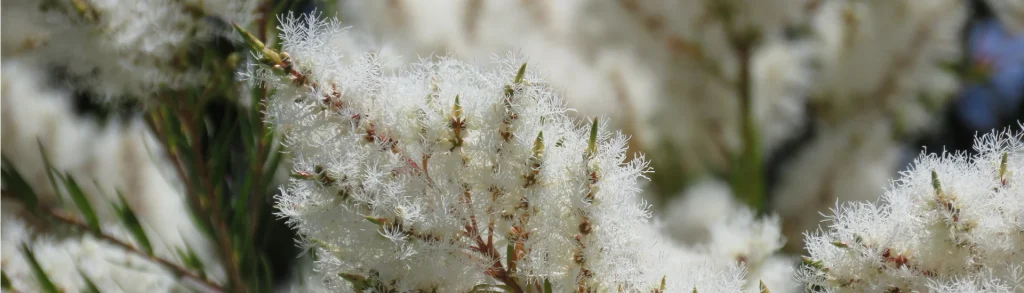
Tea tree oil — the all-rounder: antibacterial, antiviral, fungistatic, virustatic, antiseptic, anti-inflammatory and mildly disinfecting.
What is tea tree oil — the all-rounder?
Tea tree oil is an essential oil. It is obtained from the leaves of the Australian tea tree. The Australian indigenous people, the Aborigines, originally used the leaves of the Australian tea tree (Melaleuca alternifolia) to treat conditions such as fever, influenza, colds and constipation.
To produce a natural medicine, the tea tree leaves were boiled. The steam was then inhaled or the resulting decoction was drunk. Tea tree oil has since experienced a resurgence as a natural all-rounder and herbal remedy. To extract the oil, the leaves and shoots of the tree are distilled. From 100 kg you obtain approximately one liter of tea tree oil.
What effects does tea tree oil have?
Tea tree oil has many properties: antibacterial, antiviral, fungistatic, virustatic, antiseptic, anti-inflammatory and mildly disinfecting. In addition, these properties make tea tree oil highly valued in the cosmetic sector.
What ailments is tea tree oil used for?
Pimples and skin impurities, herpes, warts, nail fungus, flaky, itchy and oily scalp, insect bites, gum inflammation, sore throats and more.
How is tea tree oil applied?
For external application on the skin, 1–2 drops are sufficient for small areas. For larger areas you can use a carrier oil such as almond oil and mix it with the tea tree oil.
For internal use you can dilute the tea tree oil with a little water and then gargle, or inhale it. It should not be swallowed. Tea tree oil is not suitable for use on pets.
Conclusion: tea tree oil — the all-rounder
Tea tree oil is practically indispensable in the modern home medicine cabinet. It relieves many minor ailments. Tea tree oil is used in cosmetic products such as skin creams, shampoos or lip care because it is renowned for its caring and disinfectant properties.
Links
Buy tea tree oil online at naturhaus.