
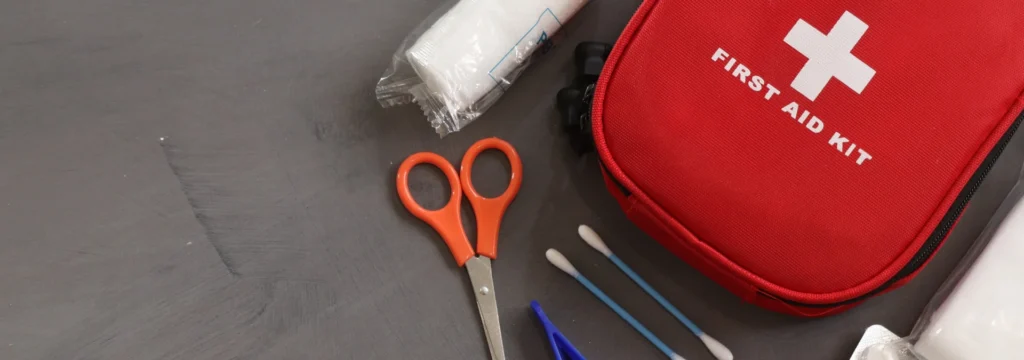
When preparing for a trip, a well-equipped travel first-aid kit is essential. Here are some useful tips to ensure you are well prepared for potential health issues during your trip.
Basic medications
Always carry a selection of basic medications, including pain relievers, fever and cold remedies, antihistamines for allergies, and gastrointestinal medications for nausea or diarrhea. Make sure to bring medications you already use and to which you respond well.
Here are some important medications that should not be missing from any travel first-aid kit:
Pain relievers
Pain relievers such as paracetamol or ibuprofen are indispensable for relieving headaches, muscle pain or other mild pain. They can also be used to treat fever.
Fever and cold remedies
Fever and colds can also occur while traveling. Keep fever and cold medications on hand to treat symptoms such as fever, a runny nose, cough and sore throat.
Gastrointestinal medications
Medications for nausea, vomiting, diarrhea or abdominal cramps are important for treating digestive problems and calming the gastrointestinal tract.
Antihistamines
Antihistamines are helpful for allergies, skin rashes and insect bites. They can relieve itching and skin reactions.
Wound disinfectant and dressing materials
Bandaging materials, plasters and wound disinfectant are important for treating minor injuries and preventing infections. A first-aid kit should contain sterile dressings and disinfectant.
Sunscreen
Sunscreen with an adequate sun protection factor (SPF) is essential to protect your skin from harmful UV radiation and to prevent sunburn.
Insect repellent
Depending on your destination, insect repellent is important to protect against insect bites and associated risks such as malaria or dengue fever.
Motion sickness and dizziness
If you are prone to motion sickness or sensitive to movement, medications for nausea and dizziness can be helpful.
Prescription medications
If you take prescription medications, do not forget to bring an adequate supply for the duration of your trip. Also carry a copy of the prescription in case you need to refill medications.
Prescription medications therefore also play an important role in the travel medical kit, especially if you depend on regular medication. Here are some important tips on how to prepare prescription medications for your travel kit:
Carry a sufficient supply
Ensure you carry a sufficient supply of your prescription medications for the entire duration of your trip. Also allow for possible delays or unexpected circumstances that could affect your return.
Carry a copy of the prescription
It is advisable to carry a copy of your prescription for prescription medications. This copy can be useful if you need to obtain medication during your trip or if questions or issues arise with customs.
Emergency contacts and information
Note the contact details of your treating physician or specialist, as well as important information about your medical history and the exact dosage of your prescription medications. This can be very helpful in an emergency.
Multilingual documentation
If you are traveling to a country whose language you do not speak, it is sensible to carry important medical information and instructions in the relevant local language.
Medication regulations in the destination country
Inform yourself in advance about the import regulations for medications in the destination country. Some medications that are available over the counter in your home country may be prescription-only or prohibited in other countries.
Medications that require refrigeration
If you take medications that require refrigeration, you must ensure that you have a suitable means to keep these medications cool during the trip.
Dressings and disinfectants
Bandaging supplies are an essential component of any well-equipped travel first-aid kit for treating minor injuries. They enable initial care of minor wounds and can help prevent infections. Here are some important tips on how to assemble bandaging supplies for your travel first-aid kit:
Sterile compresses and adhesive bandages
Sterile compresses are important for covering wounds and preventing infection. Adhesive bandages are useful for protecting and treating small cuts, scrapes, or blisters.
Adhesive dressings and medical tape
Adhesive dressings and medical tape help keep bandages securely in place. They can also be used to stabilize injuries.
Sterile disposable gloves
Disposable gloves are important to prevent infection and to provide hygienic initial care of injuries.
Disinfectant
Disinfectant is essential for cleaning wounds before treatment and preventing infections.
Scissors and tweezers
A small pair of scissors and tweezers are useful for cutting bandaging materials, trimming sutures, or removing foreign objects.
Sterile eye pad
If you have sensitive eyes or might sustain an eye injury, a sterile eye pad is important to protect and treat the eye.
First-aid manual
A first-aid manual can be helpful to respond correctly in an emergency and to apply bandaging materials properly.
When selecting bandaging supplies, consider the type of activities you will undertake during your trip. For example, if you plan to go hiking or engage in outdoor activities, it is advisable to take additional bandaging supplies and appropriate equipment for initial injury care. Carefully assembled bandaging supplies can help ensure you are well prepared during your trip and can effectively treat minor injuries.
Sunscreens and insect repellents
Sunscreen and insect repellent are essential travel companions to protect your skin from harmful UV exposure and from irritating insect bites. Here are some important tips on how to prepare for your trip with sun and insect protection:
Sunscreen
Sunscreen is critical to protect your skin from the harmful effects of UV radiation and to prevent sunburn.
Choose the correct sun protection factor (SPF)
Depending on your skin type and destination, select a sunscreen with the appropriate sun protection factor (SPF). A higher SPF provides greater protection, particularly in areas with intense sunlight.
Apply in sufficient quantity
Apply sunscreen in sufficient quantity to all exposed skin. Reapply regularly, especially after swimming or heavy sweating.
Water-resistant sunscreen
If you will be active in the water, a water-resistant sunscreen is recommended to maintain protection against sunburn.
Insect repellent
Insect repellent is important to protect against insect bites and the associated risks such as infections or diseases.
Choose an effective repellent
Select an insect repellent that is effective against the insects in your travel region. Pay attention to active ingredients such as DEET or icaridin.
Apply according to instructions
Apply the insect repellent to the skin according to the product instructions. Avoid contact with eyes, mouth and open wounds.
Use clothing and nets
In addition to repellent, wear long-sleeved clothing and long trousers and use mosquito nets to protect against insect bites.
When selecting sunscreens and insect repellents, also consider possible allergies or skin sensitivities. It is advisable to test products before travel to ensure they are well tolerated. With appropriate sun and insect protection, you can enjoy your trip while protecting your skin and your health.
What else should be included in the travel first-aid kit?
Personal medical emergency equipment
Depending on the activities you undertake during your trip, it may be sensible to carry personal medical emergency equipment, for example an EpiPen for people with severe allergies.
Contact information for doctors
Note down the contact details of your general practitioner or specialist as well as the address of the nearest hospital at your destination. In an emergency, this makes it easier to obtain medical assistance.
Health insurance details
Always carry the details of your health insurance or travel health insurance with you. Check your coverage abroad in advance.
Destination and health risks
Find out about the health risks at your destination, such as required vaccinations or possible illnesses, and ensure you are appropriately prepared.
Conclusion
Ultimately, the contents of your travel first-aid kit depend on your destination, your health and your activities. It is advisable to check your travel first-aid kit before departure and ensure you are well prepared to manage potential health issues during your trip.