
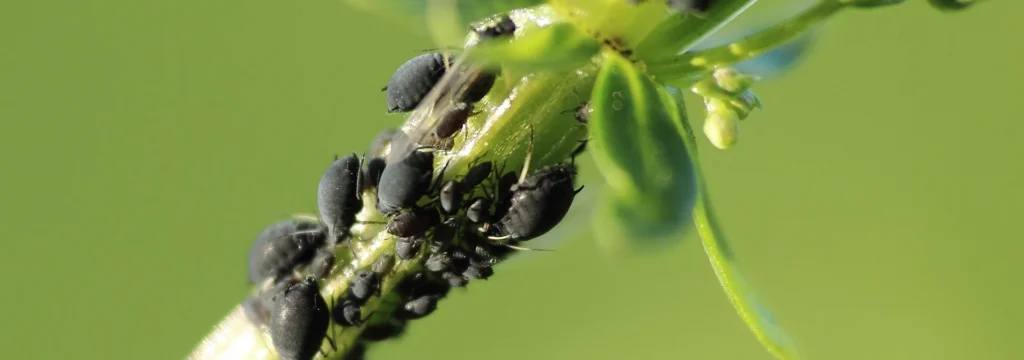
Aphids are small insects considered pests and are common in gardens, on plants and in agriculture. They belong to the family Aphidoidea within the insect order Hemiptera. These tiny creatures are known to infest plants and feed on their sap, which can cause significant damage.
Appearance and characteristics
Aphids occur in a variety of colors, including green, yellow, brown, black and even pink. They have a soft, oval body shape and are usually only a few millimeters in size. A characteristic feature of most aphids is their secretion of a sticky, sweet substance called honeydew, which is often found on the plants they infest.
Life cycle
The life cycle of aphids is relatively short and includes several developmental stages. They usually reproduce asexually, meaning that females can give birth to live offspring without fertilization by a male. The young aphids, called nymphs, resemble the adults but are smaller and wingless. Over time some individuals develop into winged forms that serve to colonize new plants.
Effects on plants
Aphids feed on plant sap, which they extract by piercing and sucking from leaves and other plant parts. This feeding can cause leaf deformities, reduced plant growth, yellowing of the leaves and even the transmission of viruses to plants. The produced honeydew can also promote the growth of sooty mold fungi, which further impair the appearance of plants.
Which plants aphids preferentially infest
Aphids are known to infest a wide range of plants and cause damage. Some plants, however, are more susceptible to aphid infestation than others. Here are some plant types that are often preferred by these pests.
Vegetable plants
Aphids readily attack vegetable plants, including tomatoes, peppers, eggplants, cucumbers and zucchini. These plants provide an abundant food source, especially when grown in warm and humid conditions.
Ornamental plants
Many ornamental garden plants are also susceptible to aphid infestation. Roses, hydrangeas, dahlias and chrysanthemums are among the commonly affected species. Aphids can impair the appearance of these plants and damage their flowers and leaves.
Fruit trees
Fruit trees such as apple, peach and cherry trees are also at risk. Aphids can damage the trees‘ leaves and impair fruit development. The honeydew produced by the insects can also become a problem, as it attracts sooty mould fungi.
Herbs
Some herbs such as basil, oregano and mint can also be infested by aphids. The tender leaves and lush foliage of these plants provide an ideal environment for the pests.
Greenhouse plants
Plants grown in greenhouses are often more susceptible to aphids due to the controlled environment. Warm temperatures and high humidity provide optimal conditions for the insects to multiply.
Shrubs
Some shrubs such as forsythia, spirea and privet can also be affected by aphids. The dense vegetation of these shrubs offers shelter and food for the pests.
The best tips to get rid of aphids
Aphids are one of the most troublesome pests in the garden, as they can damage plants and impair growth. Fortunately, there are various methods to control the pests naturally and effectively.
Plant care and prevention
A healthy plant is less susceptible to pest infestation. Ensure your plants receive sufficient water, sunlight and nutrients. Healthy plants are often more resilient to aphids and other pests.
Promote beneficial insects
Controlling aphids with natural methods is an environmentally friendly and effective way to reduce pest infestations. Beneficial insects are natural enemies of the pests and can help control their populations naturally. Here are some of the most important beneficials that can assist in controlling aphids.
Ladybugs
Ladybugs are probably the best-known natural enemies of aphids. Both the larvae and adults consume large numbers of the insects. A single ladybug can eat hundreds of aphids per day, thus contributing effectively to reducing pest pressure.
Lacewings
Lacewing larvae are also effective hunters of aphids. The larvae consume not only aphids but also other pests such as spider mites and whiteflies. Lacewings are particularly useful in greenhouses or in areas with high pest pressure.
Earwigs
Earwigs are nocturnal insects that feed on aphids and other small pests. They prefer moist, dark environments and can therefore be particularly effective in dense plantings. Earwigs are easy to identify by the distinctive pincers at the rear of their bodies.
Parasitic wasps
Parasitic wasps are tiny insects that lay their eggs inside aphids. The developing wasp larvae consume the pests from the inside. Although small, parasitic wasps can control a considerable number of aphids and are therefore a valuable tool in pest management.
Predatory bug larvae
Predatory bug larvae are aggressive hunters of aphids. They have a long rostrum that they insert into the pests to suck out their contents. Predatory bug larvae can be deployed in various environments to reduce aphid infestations.
Integrating beneficial organisms into the garden can help control pest populations naturally, without using harmful chemicals. By promoting a diverse and balanced ecosystem you can support the natural enemies of aphids while protecting your plants.
Physical removal
Manual removal of aphids can be effective, particularly in cases of light infestation. Use gloves and a jet of water to wash the pests off the plants. Be sure to inspect the leaves thoroughly, as the insects often sit on the undersides of the leaves.
Garlic or neem oil
Garlic and neem oil are natural insecticides that can be effective against aphids. Mix a few drops of these oils with water and spray the mixture on the affected plants. Follow the instructions on the product label to avoid overapplication.
Soap solution
A mild soap solution can also help control aphids. Mix a few drops of liquid soap with water and spray the solution on the plants. The soap helps break down the protective layer of the aphids and causes them to desiccate.
Regular inspection
Regularly checking your plants for signs of aphids is important to detect and address an infestation early. The earlier you act, the easier it will be to eliminate the aphids.
Controlling pests requires patience and consistency. By combining multiple methods and providing regular care for your plants, you can effectively address this pest and protect your garden plants.