
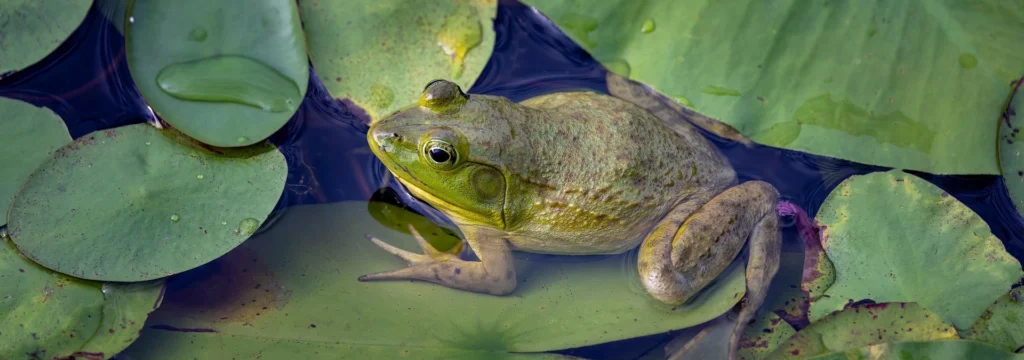
Frogs are a fascinating species for many, inhabiting both aquatic and terrestrial environments. These amphibians are not only of interest to science but also a popular subject for nature enthusiasts. Especially in spring, when they awaken from winter dormancy and migrate to their breeding sites, frogs are an unmistakable sign of the start of the warmer season. But their lives encompass far more than spring activities more than just spring activities in this article you will learn everything about their way of life, reproduction, role in the ecosystem and why we should pay more attention to these fascinating animals.
The Frog
Frogs belong to the amphibians and are characterized by their smooth, moist skin, powerful hind legs and their unique life cycle. These animals can live both in water and on land and are found in many different climate zones around the world. The best-known species in Central Europe are the Green tree frog and the Common toad. Frogs play an important role in many ecosystems, as they act as insect predators and also as prey for many other animals.
The adaptability of frogs makes them an engaging subject for study. They can adapt to a range of habitats, from tropical rainforests to temperate zones and even Arctic regions. This versatility helps them survive in diverse environments.
Lifestyle
Frogs are known for their ability to live in two different habitats: on land and in water. Their skin is highly permeable and helps them retain moisture, which makes them reliant on wetlands. In the colder months many frog species retreat into burrows or under stones to enter a form of hibernation during the winter. This winter dormancy allows them to conserve energy until temperatures rise and conditions become favorable again.
In spring, when temperatures rise and days lengthen, many frogs awaken from their winter dormancy. The spring months are a particularly active time for frogs, as they move to their breeding sites to prepare for reproduction.
Reproduction
The reproduction of frogs is a fascinating and well-documented process. At the beginning of spring frogs move to bodies of water such as ponds, streams or lakes to lay their eggs. In many species this is also the time when males and females are particularly active. Males attract females by loud croaking, often referred to as the „frog chorus“. These calls are best heard in the early morning hours or at dusk during the spring.
After the female has laid her eggs, the males fertilize them in the water. The eggs develop rapidly and become tadpoles, which eventually transform through metamorphosis into the characteristic terrestrial frogs. This metamorphosis from tadpole to fully grown frog is a remarkable process that underlines the versatility of frogs.
Als Bioindikatoren der Umweltgesundheit
Frogs are sensitive animals that react strongly to changes in their environment. Their skin is permeable to chemicals and other environmental factors, which makes them as bioindicators of ecosystem health. A decline in frog populations in a given area can indicate environmental problems such as water pollution, habitat loss, or climate change.
They are particularly vulnerable to changes in water quality. When bodies of water are contaminated by industrial waste or other pollutants, this can have direct effects on frogs and their reproduction. The destruction of wetlands or the conversion of natural habitats into urban areas also significantly impairs the lives of frogs.
Kaulquappen: Der Lebenszyklus der Frösche
Their life cycle begins with egg-laying, which usually takes place in spring. After the eggs are fertilized, tadpoles develop that initially look completely different from the adult frogs. They have gills and live exclusively in water. Over time the tadpoles undergo metamorphosis, during which they lose their gills, develop their lungs, and finally become fully developed frogs. This life cycle is an impressive example of the adaptability of amphibians.
Tadpoles rely on algae and plant matter, while adult frogs feed on a variety of insects. The development from egg through tadpole to frog is one of the greatest transitions in the animal kingdom and demonstrates the flexibility of these animals.
Frösche und ihre Rolle im Ökosystem
They play a central role in their ecosystems. They help control insect populations by eating a variety of insects such as mosquitoes, flies and ants. In this way they contribute to the health of plant communities, since many insects are harmful to plants. At the same time frogs serve as a food source for many predators such as birds, snakes and larger mammals.
Their place in the food web makes frogs an important component of many ecosystems. Without frogs, insect populations could get out of balance, which could have significant impacts on the entire food chain.
Threats to Frogs
Unfortunately, they are threatened in many parts of the world. Habitat loss due to urbanization, the destruction of wetlands and water bodies, and water pollution are just some of the dangers frogs face. The international spread of diseases, such as the chytrid fungus, has also led to a dramatic decline in frog populations in recent years.
Climate change poses an additional threat, as it alters the climate and habitats of frogs. Higher temperatures and changed precipitation patterns can disrupt reproductive cycles and impair the survival rate of tadpoles.
Protecting Frogs
Protecting frogs is essential to maintain balance in our ecosystems. An important step is the protection of wetlands and water bodies that serve as breeding habitats for frogs. In home gardens we can also contribute to their protection by creating ponds and avoiding harmful chemicals.
Another important aspect is safeguarding migration routes for frogs, especially during the breeding season when they often cross roads to reach their breeding sites. Many regions have already developed specific programs to guide frogs safely across roads and support their migrations.
Conclusion
Frogs are fascinating animals that play an important role in our ecosystems. Their way of life, reproduction and life cycle are an impressive example of nature’s diversity. Especially in spring, when they emerge from winter dormancy and move to their breeding sites, their importance for ecological balance becomes particularly evident. But even outside of spring, protecting these animals is crucial, since they serve as bioindicators of environmental health. By protecting their habitats and respecting their needs, we can ensure that frogs continue to hold an important place in nature in the future.