
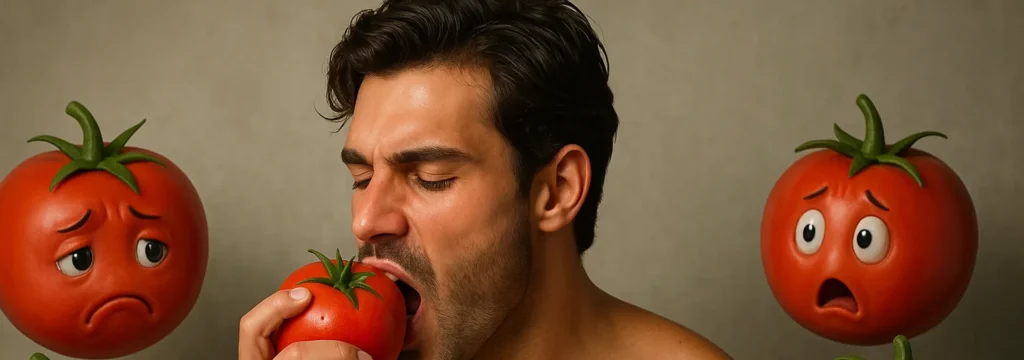
Tomatoes are among the most popular vegetables worldwide – although botanically they are actually classified as fruits. Whether raw in a salad, cooked into a sauce or dried as a snack – they are a staple in our kitchens. But tomatoes are not only tasty; they are also highly nutritious, low in calories and rich in valuable constituents. Anyone with a garden or balcony can even grow tomatoes themselves – with little effort and substantial yield. In this article you will learn everything important about tomatoes: from their origin and variety diversity to tips for cultivation, harvest, storage and preparation.
Origin
The tomato originates from South America, more precisely from the Andean regions in Peru and Ecuador. Wild tomato plants were already used by the Inca more than 2,000 years ago. With the discovery of the Americas it came to Europe, initially as an ornamental plant. Only in the 18th century did it find its established place in European cuisine – particularly in the Mediterranean region. Today the tomato is cultivated worldwide, with China, India, Turkey and the USA among the largest producers.
Botany
The tomato (Solanum lycopersicum) belongs to the nightshade family (Solanaceae), like potatoes, peppers and eggplants. Depending on the variety the tomato plant can reach a height of up to two meters. It produces yellow flowers and develops fruits from them that can vary greatly in color and shape – from round to oval, from as small as a cherry to as large as a fist, from bright red through orange and yellow to black‑violet.
Variety – from cocktail tomatoes to beefsteak tomatoes
There are countless tomato varieties that differ not only in taste but also in size, shape and intended use. The main categories are:
Cocktail tomatoes: Small, sweet and particularly aromatic. Ideal for snacking or for salads.
Cherry tomatoes: Similar to cocktail tomatoes, but often somewhat firmer and less prone to splitting.
Roma tomatoes: Also known as plum or egg tomatoes. They have low water content and a high proportion of flesh – ideal for sauces.
Beefsteak (meaty) tomatoes: Large, juicy and flavorful. Well suited for burgers, sandwiches or for gratinating.
Date tomatoes: Smaller than cherry tomatoes, very sweet and crisp. Ideal for children or as a healthy snack.
Heirloom varieties and rarities: e.g. „Green Zebra“, „Black Krim“ or „Berner Rose“ – often with distinctive flavor and a striking appearance.
Growing tomatoes yourself – how to succeed
Tomatoes can be grown very well in a private garden, in a raised bed or in a container on the balcony. The best time for sowing is between February and April. For this, starting them on the windowsill is recommended. From mid-May – after the Ice Saints – the plants may be moved outdoors or into larger pots. Tomatoes need a sunny, warm location, nutrient-rich soil and regular care.
A rain cover is important, as tomatoes are susceptible to late blight. Regular watering and occasional fertilizing promote healthy growth and a good harvest. We recommend the ARIES tomato fertilizer. Some varieties require support, and staked tomatoes should be regularly pruned, i.e. the removal of side shoots.
Care and protection against diseases
Although tomatoes are relatively easy to care for, some pests and diseases can affect them. The most common disease is late blight (brown rot), which is favored by damp weather. A remedy is covered cultivation and sufficiently large plant spacing to ensure good air circulation.
Spider mites, aphids or whiteflies can also occur. Natural antagonists such as ladybugs or plant protection products based on biological methods can help. Those who choose a robust variety and carry out regular inspections have a good chance of a healthy and abundant tomato harvest.
Harvesting and proper storage of tomatoes
Harvesting usually begins in July depending on variety and location and lasts into October. Ripe tomatoes are identified by their full color and characteristic tomato aroma. They should detach easily from the stem.
Tomatoes should not be stored in the refrigerator because they lose flavor there. A better option is a shady, cool place — e.g. the pantry. Green tomatoes will ripen at room temperature. Important: never store tomatoes next to other ripe fruit, as they emit the ripening gas ethylene, which causes other fruits and vegetables to age more quickly.
Advantages
Tomatoes are a genuine superfood. They consist of about 95% water and are therefore very low in calories — ideal for a healthy diet or weight loss. At the same time they contain many vitamins and minerals: in particular vitamin C, potassium, folic acid and beta-carotene.
Tomatoes in the kitchen – versatile and delicious
They are indispensable in the kitchen. Whether fresh in a salad, as a base for sauces or in soups, as a topping on pizza or in Mediterranean dishes — their applications are almost limitless. Particularly popular are classic combinations like tomato–mozzarella with basil, bruschetta with fresh diced tomatoes or oven-baked stuffed tomatoes.
Even as tomato paste, passata, purée, or dried and preserved, they are a culinary asset. Homemade tomato sauces can be frozen or canned—ideal for winter supplies.
Sustainably using and processing tomatoes
If you have a large harvest, you can preserve tomatoes in many ways. In addition to freezing, canning, drying, or fermenting are suitable. Dried tomatoes can be packed in oil and enjoyed as antipasti. Home-canned tomato sauce or homemade tomato ketchup contains no additives and has a more intense flavor than commercial supermarket products.
Even green tomatoes that won’t ripen by the end of the season need not be discarded: they can be turned into chutney or jam—a practical tip for creative culinary uses.
Buying tomatoes — what to look for?
When buying tomatoes, check for freshness, firmness, and a pleasant aroma. Regionally and seasonally grown tomatoes—for example from the weekly market or an organic farmer—are usually more aromatic than greenhouse tomatoes imported from abroad. Choosing organic quality also protects the environment and health.
Supermarkets offer various varieties, often sold unpackaged. Look for smooth skin without soft spots. Depending on the intended use, you can choose sweeter varieties for salads or juicier ones for sauces.
Conclusion: Tomatoes are true all-rounders
Tomatoes are more than a staple food—they are healthy, tasty, versatile, and can even be grown at home. Whether as a snack, in salads, cooked, or preserved: tomatoes fit into any kitchen and any diet. Their valuable nutrients make them an important ingredient for a balanced diet. With a little care you can even grow tomatoes on a balcony and enjoy a plentiful harvest. Once you have experienced the flavor of sun-ripened tomatoes from your own cultivation, you will not want to do without them.