
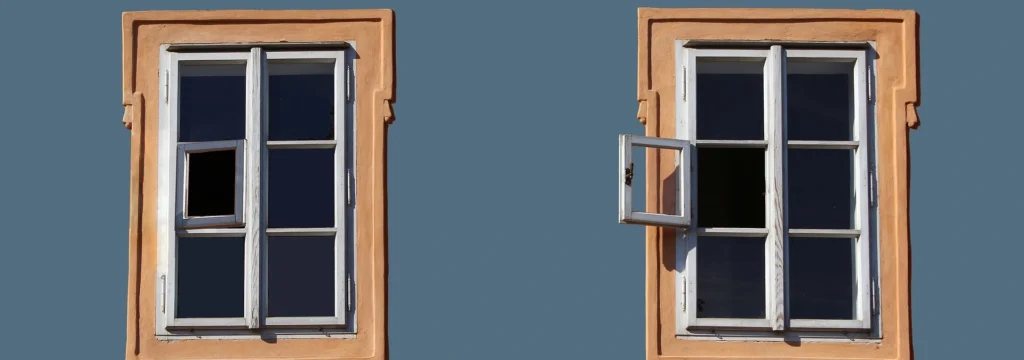
Ventilation is essential for good indoor air quality and plays a decisive role for our health and well-being. Especially in the cold season or in rooms with little fresh air supply, it can help remove pollutants, moisture and unpleasant odors. This article explains why it is important, how to ventilate efficiently and which mistakes should be avoided.
Why is ventilation important?
In enclosed rooms, the air quickly accumulates moisture, carbon dioxide and pollutants. Moisture is generated by everyday activities such as cooking, showering or even by breathing. Excessive humidity can promote mold growth. And this damages not only the building fabric. It also affects health. Regular supply of fresh air ensures that this moisture is transported away. And that the air in the room remains fresh. In addition, the supply of fresh air removes pollutants, tobacco smoke or other residues from the indoor air. Fresh air supports concentration, well-being and provides a comfortable indoor climate.
Advantages
- Improved air quality: The supply of fresh air removes carbon dioxide, pollutants and odors and ensures clean, fresh air.
- Prevention of mold: Prevent the formation of mold by removing excess moisture through ventilation.
- Promoting health: Reduce allergens with fresh air.
- Energy efficiency: Save heating costs with the supply of fresh air. This removes moisture from the air. And improves heating performance.
The main types
There are various ways to supply rooms with fresh air. Each method has its advantages and disadvantages, depending on the room and the weather conditions.
Rapid airing
Rapid airing is the most efficient method to exchange indoor air. Windows are opened completely for a few minutes so that a rapid air exchange can take place. This method is particularly suitable in the cold season, as it ventilates rooms quickly and minimizes heat loss.
Cross-ventilation
Cross-ventilation is an extension of rapid airing, where opposing windows or doors are opened simultaneously. This creates a draft that accelerates air circulation. This method is particularly effective at exchanging large volumes of air in a short time.
Continuous ventilation
With continuous ventilation, the windows remain in the tilt position. This method is less effective and often leads to high heat losses, especially in winter. In addition, air circulation is limited by the small window opening, so this method is not recommended.
Controlled residential ventilation
Modern residential ventilation systems automatically ensure air exchange and filter pollutants and pollen from the air. They are particularly common in new builds or passive houses, where a high level of airtightness prevails.
How to do it correctly?
The correct supply of fresh air depends on several factors, including room size, intensity of use and outdoor temperature. Here are some general tips for efficient ventilation.
Regularity
Ventilate at least three to four times a day. This ensures good air quality. Morning ventilation is particularly important to remove moisture and carbon dioxide that accumulated overnight.
Duration
Adjust ventilation duration according to the season and outdoor temperature. In winter, five minutes of short, intensive ventilation is often sufficient, while in summer ten to fifteen minutes are required to exchange the air.
Open windows fully
Open the windows fully rather than just tilting them. This allows the used air to be exchanged more quickly without cooling the walls and losing heating energy.
Ventilate wet rooms separately
Rooms with high humidity, such as bathrooms or kitchens, should be ventilated immediately after showering or cooking to remove moisture and odors.
Turn off radiators
Turn off the radiators while ventilating to avoid energy losses. Close the windows after ventilating before switching the heating back on.
Fresh air supply in winter
In winter it is particularly important, as the dry, cold outdoor air effectively removes moisture from rooms. Ventilate several times a day for short periods during the cold season to minimize energy losses. Avoid continuous ventilation, as this not only increases heating costs but also cools down walls, which can promote mold growth.
Ventilating in summer
In summer the air is often humid. Therefore you should preferably open windows in the early morning hours or late evening when temperatures are lower. Avoid ventilating during the midday heat, as this can warm the rooms. Cross-ventilation is particularly effective at displacing warm air from rooms.
Common mistakes and how to avoid them
- Keeping windows permanently tilted: This method provides a slow air exchange and causes heat loss and damp walls in winter.
- Ventilating for too long: Especially during the cold season this can lower room temperature and increase heating costs.
- No ventilation during absence: Even in rooms that are normally unoccupied, ventilate regularly when they are used occasionally to regulate humidity and prevent mold.
- Lack of air circulation: Blocked windows or doors impede airflow. Ensure that no furniture obstructs the windows.
Tips for an optimal indoor climate
- Monitor humidity: Use a hygrometer to measure indoor humidity. The ideal value is between 40 and 60 percent.
- Use air purifiers: In heavily polluted areas, air purifiers can help filter contaminants from indoor air.
- Use plants: Houseplants such as spider plant or ivy improve air quality and contribute to a comfortable indoor climate.
- Optimize airflow: Keep doors between rooms open to ensure even air circulation.
Conclusion
Proper ventilation is crucial for a healthy indoor climate and can prevent mold growth and health complaints. Whether short, intensive airing, cross-ventilation or using modern residential ventilation systems – regular air exchange provides fresh, contaminant-free air and supports well-being. By observing simple rules and avoiding common mistakes, ventilation becomes an effective measure to improve air quality and save energy. Implement these tips and enjoy the benefits of an optimally ventilated living space.