
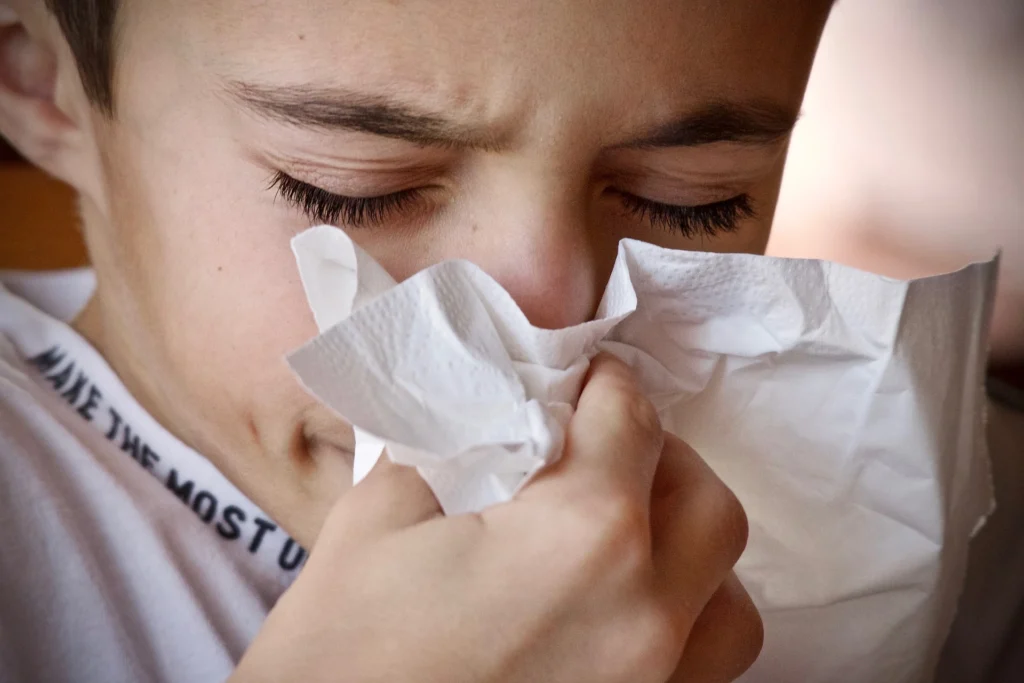
Allergies are overreactions of the immune system to certain substances. These substances, also called allergens, can be pollen, house dust mites, animal dander, foods or chemical agents. Approximately 30 % of the population suffer from a form of allergy. And the number of affected people is steadily increasing. In this text you will learn which types of allergies exist. And how allergies develop. Also how they can be diagnosed and treated. And which measures help allergy sufferers to better manage their lives.
1. What is an allergy?
An allergy is a hypersensitivity of the immune system to certain environmental substances. In an allergic person, the immune system mistakenly perceives these substances as a threat. Consequently it reacts with an inflammatory response. The immune system produces antibodies intended to combat the allergens, which leads to various symptoms. The most common symptoms include sneezing, itching, watery eyes, skin rashes, breathing difficulties and, in severe cases, even an anaphylactic shock.
2. Common types of allergies
There are many different types of allergies that cause different symptoms and are triggered by different allergens. Here are some of the most common forms of allergy:
a) Pollen allergy (hay fever)
Pollen allergy, also called hay fever, is one of the most common allergies and occurs seasonally. Affected individuals react to pollen from grasses, trees and other plants. Typical symptoms are sneezing, a blocked nose, itchy eyes and breathing difficulties.
b) House dust mite allergy
House dust mites are microscopic arachnids that occur in almost every household. Their feces can trigger allergic reactions in sensitive people. Symptoms of this allergy are similar to hay fever and occur particularly at night or in the morning, since the mites live in beds and upholstered furniture.
c) Animal dander allergy
Animal hair itself is not the actual allergen, but proteins found in the saliva, urine or skin flakes of animals. Cat and dog allergy sufferers are particularly affected. Typical symptoms are breathing difficulties, watery eyes and skin reactions.
d) Food allergies
Food allergies occur when the immune system overreacts to specific proteins in foods. Common triggers are nuts, milk, eggs, fish, wheat or soy. Food allergies can vary in severity, from mild gastrointestinal symptoms to severe, life-threatening reactions such as an anaphylactic shock.
e) Contact allergies
Contact allergies occur when the skin comes into contact with an allergen. This can be caused by cosmetics, metals such as nickel, cleaning agents, or plants such as ivy. Typical symptoms are rashes, redness and itching.
3. How do allergies develop?
The exact cause of allergies is not yet fully understood, but there are several factors that can play a role:
- Genetic predisposition: If parents suffer from allergies, their children are more likely to develop an allergy as well.
- Environmental factors: Air pollution, excessive contact with chemicals, or insufficient exposure to natural microbes during childhood can increase the risk of allergies.
- Hygiene hypothesis: This theory proposes that excessive hygiene in childhood does not adequately train the immune system, making it more susceptible to allergies. Children who grow up in rural areas or have regular contact with animals often have a lower risk of allergies.
4. Diagnosis of allergies
The diagnosis of an allergy often begins with a discussion of symptoms and family history. Various tests can then be performed to identify the responsible allergen:
- Prick test: In a prick test small amounts of allergens are applied to the skin and the skin is lightly pricked. If the skin responds with redness or swelling, an allergy is likely.
- Blood test: A blood test measures the presence of specific antibodies (IgE antibodies) produced by the immune system during an allergic reaction.
- Elimination diet: For food allergies, an elimination diet can help identify the triggering food. Suspected foods are removed from the diet for a period and then gradually reintroduced to observe the body’s reaction.
5. Treatment options for allergy sufferers
There are various treatment options to relieve allergy symptoms or to treat the allergy itself:
a) Allergen avoidance
The most effective method to prevent allergy symptoms is avoidance of the allergen. For people with pollen allergies this can mean keeping windows closed during the pollen season or using an indoor air filter. Those allergic to animal hair should avoid close contact with animals, and with food allergies it helps to avoid the offending food.
b) Antihistamines
Antihistamines are medications that block the effect of histamine, a substance released during an allergic reaction. These medicines alleviate symptoms such as itching, swelling and sneezing. They are available as tablets, nasal sprays or eye drops.
c) Corticosteroids
Corticosteroids are used for more severe allergic reactions to reduce inflammation. They can be administered as a nasal spray, cream or in tablet form and help control symptoms.
d) Hyposensitization (Allergy immunotherapy)
The Hyposensibilisierung is a long-term therapy in which small doses of the allergen are administered to the allergic patient over an extended period to accustom the immune system. This can reduce the severity of allergy symptoms or eliminate the allergy entirely. This therapy is used primarily for pollen allergies and insect venom allergies.
6. Tips for everyday life with allergies
Allergies can have a major impact on daily life, but there are many measures that can make everyday life easier:
- Keep the home clean: Regular vacuuming and mopping with fragrance-free products can reduce the amount of allergens in the home. Use vacuums with HEPA filters to better capture dust mites and animal hair.
- Use fragrance-free products: Fragrance-free or perfume-free products are increasingly important, especially for people with sensitive skin or allergies. These products contain no artificial fragrances, which often cause skin irritation, headaches or allergic reactions. Preferably use products such as Sonett sensitiv, Sodasan sensitiv or products from Klar. These washing and cleaning agents as well as soaps from the sensitiv series contain no fragrances or dyes.
- Use air purifiers: Use an air purifier. This can help filter pollen and dust particles from the air, particularly during the pollen season.
- Adjust your diet: For food allergies it is important to check food ingredients carefully and to ask about ingredients when dining out.
Conclusion
Allergies are common and can significantly impair daily life. It is important to recognize and treat allergies early to prevent severe reactions. By avoiding triggers, using medications and, in some cases, hyposensitization, people with allergies can often bring their symptoms well under control and lead a largely normal life.