
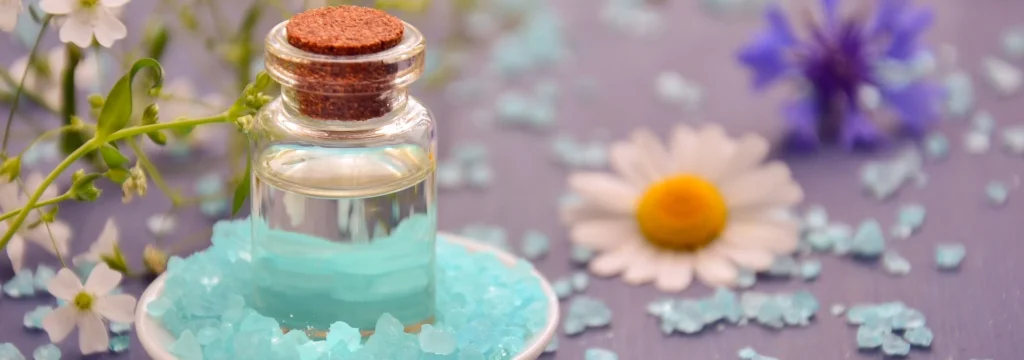
Aromatherapy is a form of alternative medical treatment. Essential oils are used here to promote physical and mental well‑being. The essences are extracted from plants and applied in various uses. This can help with both physical complaints and emotional strain. In this text you will learn what aromatherapy is and how it works, which essential oils are particularly popular and which applications are suitable for everyday use.
1. What is Aromatherapy?
Aromatherapy uses the therapeutic properties of essential oils. These are obtained from plants by distillation or cold pressing. These highly concentrated oils contain the „essence“ of the plant — its healing and aromatic properties. The oils are either inhaled, absorbed through the skin or sometimes taken internally to treat specific issues.
Aromatherapy is frequently used to relieve stress, sleep problems, pain and to improve mood. The idea behind it is that the scent of the oils has a direct effect on the limbic system in the brain — the part that governs emotions, memories and hormones.
2. How does Aromatherapy work?
Essential oils can affect the body in several ways:
- Inhalation: Breathe in the scent of the essential oils through your nose. This stimulates the limbic system. That influences your emotions as well as the autonomic nervous system. Scents can help calm you, relieve anxiety or increase concentration. Subtle fragrances like the Sodasan Raumdüfte additionally create a pleasant room atmosphere.
- Absorption through the skin: You can also absorb essential oils through the skin. Use them in combination with carrier oils such as jojoba or almond oil. Indulge yourself with gentle massages, or use the essential oil in personal care products. The oils unfold their effect, for example for pain relief or muscle relaxation.
- Internal use: Some oils can also be taken internally. This should only be done under medical supervision, as some oils can be toxic if dosed incorrectly.
3. Popular essential oils and their effects
There are many essential oils used in aromatherapy. Here are some of the best‑known oils:
- Lavender oil: Calming and relaxing; often used to relieve insomnia, stress and anxiety. Lavender also has anti‑inflammatory and antiseptic properties, which is why it is used for skin irritations or minor burns.
- Tea tree oil: Tea tree oil is known for its antimicrobial properties. Use tea tree oil to treat skin blemishes, acne and minor wounds. Use it for colds, as it can help clear the airways.
- Peppermint oil: This oil has a refreshing and cooling effect and is often used for headaches, digestive complaints or muscle pain. The scent can also promote concentration and relieve fatigue.
- Eucalyptus oil: Eucalyptus is frequently used to treat respiratory problems such as coughs or colds. It acts as an expectorant and has anti-inflammatory effects, helping to clear the airways.
- Lemon oil: This oil is valued for its uplifting and invigorating effect. It is often used to lift the mood, but also to purify the air and support the immune system.
4. Application forms of aromatherapy
Essential oils can be integrated into everyday life in various ways. Here are some of the most common application methods:
a) Diffuser
Use one of the most common methods in aromatherapy to apply essential oils: nebulization in a diffuser. Mix the oils with water. Then the mixture is released into the air. With this method you can improve room air and mood and, if necessary, reduce stress. Some diffusers can be combined with colour changes and soothing sounds to create a relaxing ambience.
b) Aromatherapy massages
Prepare your massage oil yourself. Mix a few drops of essential oil with a carrier oil. Depending on the type of oil, the massage will be relaxing, analgesic or invigorating. This application is particularly helpful for muscle tension and joint pain.
c) Inhalation
For direct inhalation, place a few drops of essential oil on a handkerchief or the palm of your hand. Then inhale the scent. This method relieves stress or headaches. Alternatively, you can let essential oils evaporate in hot water and inhale the vapour to clear the airways.
d) Aromatherapy baths
Use a few drops of essential oil in a warm bath. This can relax you. Lavender, chamomile or rosemary are often used to relieve muscle tension, promote circulation and calm the mind.
e) Cosmetics and skin care
Use essential oils in homemade care products such as creams, lotions, or bath bombs. They give your products a pleasant scent. And they also have positive effects on skin health.
5. Precautions when using essential oils
Please note: Essential oils have many beneficial effects. Nevertheless, caution is required. Essential oils are highly concentrated. Some oils can cause skin irritation or allergic reactions. Therefore always dilute the essential oil with a carrier oil.
Pregnant women, people with asthma or epilepsy, and young children should avoid using certain essential oils. Particular caution is required with internal use, as some oils can be toxic.
Conclusion
Aromatherapy offers a natural, holistic method to relax body and mind and to promote well-being. Essential oils can be applied in many ways – from skincare and room cleansing to pain relief. With correct use and adherence to safety precautions, aromatherapy can be a valuable addition to everyday life.