
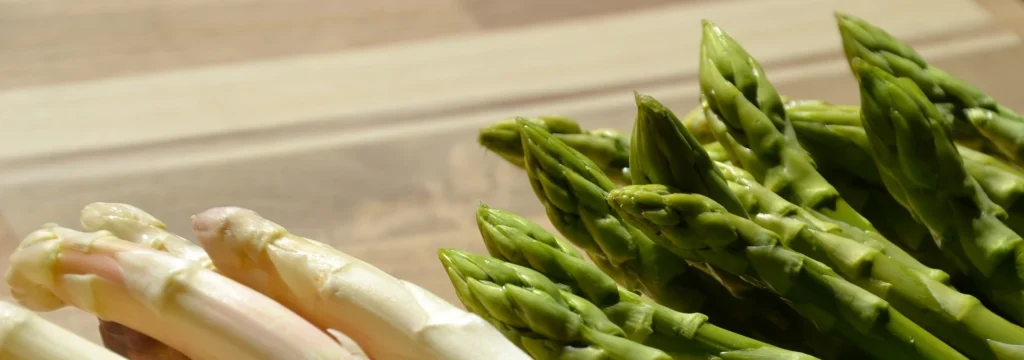
Asparagus is considered the king of vegetables for good reason. With its delicate flavor, easy digestibility and health benefits, it is widely popular. For many gourmets the season is one of the culinary highlights of the year. Whether classic with Sauce Hollandaise, as a soup, salad or grilled – the vegetable offers a wide range of delicious preparation options. This article examines everything worth knowing: its origin, benefits, cultivation and tips for preparation.
Origin and history of asparagus
The history goes far back. The ancient Egyptians, Greeks and Romans already knew and valued the vegetable as a delicacy and medicinal plant. In the Middle Ages it was cultivated in monastery gardens, mainly for its healing properties. Only in the 16th century did larger-scale cultivation begin in Central Europe, initially as a medicine and later as a refined vegetable for nobles and the wealthy.
Today it is grown worldwide, with Germany being one of the most important growing regions. Particularly well known are the areas in Baden-Württemberg, Lower Saxony, Brandenburg and Bavaria. White asparagus is the most popular here, while in other countries such as France or Italy green asparagus also plays an important role.
Cultivation
Cultivation requires patience and care. It takes about two to three years from planting the crowns to the first harvest. Asparagus plants need a loose, sandy soil and a temperate climate. In spring, as soon as temperatures rise, it begins to grow out of the ground. White asparagus is harvested before it reaches the light, while green asparagus grows above ground and gains its green color through exposure to sunlight.
The harvest season is limited: it traditionally begins in mid-April and ends on 24 June, Saint John’s Day. After that the plant needs rest to gather strength for the next season. Sustainable asparagus cultivation relies on low use of chemicals, crop rotation and soil care to secure healthy yields in the long term.
Benefits
The vegetable is not only tasty but also extremely healthy. It is low in calories and rich in valuable nutrients:
- High content of vitamin C, vitamin E and folic acid
- Rich in minerals such as potassium, calcium and magnesium
- Contains aspartic acid, which supports kidney function
- Acts as a diuretic and stimulates metabolism
And with its high water content of around 93 percent, asparagus is very light and easy to digest, which makes it ideal for a healthy diet. Especially in spring it provides a welcome support for detoxification and metabolic stimulation.
White, green and purple asparagus – where are the differences?
There are different varieties that differ in color, flavor and cultivation method:
White asparagus grows underground and is harvested before exposure to light. It has a mild, delicate flavor and is traditionally served boiled or steamed.
Green asparagus grows above ground and produces chlorophyll through sunlight, which gives it its green color. It has a stronger flavor, cooks faster and usually only needs peeling on the lower third.
Purple asparagus results when white asparagus is briefly exposed to light. It has a slightly more bitter flavor and is especially appreciated in France.
All varieties have their specific characteristics and are suitable for different preparations.
Tips for buying and storing asparagus
Freshness is crucial for asparagus when purchasing for flavor and quality. Pay attention to the following:
- The stalks should be firm and plump
- The cut ends should be fresh and moist
- The asparagus tips should be closed and tender
- A squeaking sound when rubbing the stalks together indicates freshness
Fresh asparagus should be used as soon as possible. Wrap the stalks in a damp cloth, then store them in the refrigerator. This keeps them fresh for two to three days. Alternatively, they can also be frozen raw.
Preparing asparagus properly – classics and creative recipes
This tasty vegetable offers countless possibilities in the kitchen. Traditionally, white asparagus is cooked in lightly salted water with a pinch of sugar and a little lemon juice or butter. Green asparagus requires less cooking time and can be steamed, grilled or pan-fried.
Popular dishes include:
- Asparagus with Sauce Hollandaise and new potatoes
- Asparagus salad with strawberries and arugula
- Asparagus quiche or asparagus pizza
- Creamy asparagus soup
- Grilled green asparagus as a side dish to meat or fish
The vegetable pairs well with herbs such as parsley, basil or tarragon and combines nicely with lemon zest, Parmesan or toasted nuts.
Recipe ideas
1. Classic asparagus with Sauce Hollandaise
Peel the white asparagus. Then cook it in lightly salted water with a pinch of sugar and some butter for about 10–15 minutes. Serve with a creamy Sauce Hollandaise and new potatoes.
2. Green asparagus salad with strawberries
Briefly blanch the green asparagus, or grill it. Let it cool, then combine with fresh strawberries, arugula and a dressing of olive oil and balsamic vinegar. Ideal as a light spring salad.
3. Creamy asparagus soup
Cut white asparagus into pieces, cook until soft in vegetable broth and purée. Enrich with cream or a plant-based alternative, and season with nutmeg and fresh chives.
4. Grilled green asparagus
Marinate green asparagus with olive oil, salt and pepper and roast on the grill or in a grill pan. Perfect as a side for meat or fish, or simply enjoyed with a dip.
5. Asparagus risotto
Sauté Arborio rice in olive oil, deglaze with white wine and gradually add vegetable stock. Fold in green asparagus cut into pieces towards the end of the cooking time and finish with Parmesan.
Sustainability
Buy it preferably locally — and in season. Regional cultivation reduces transport emissions and supports local farmers. Prefer buying it at the market or directly from the farmer. Pay attention to:
- Regional origin
- Sustainable cultivation methods
- Short transport distances for greater freshness and lower CO₂ emissions
Seasonality also plays an important role. Those who consume asparagus outside the season often rely on imported produce that has long transport routes.
Conclusion: Asparagus — enjoy regionally and act consciously
Asparagus is far more than just a tasty spring vegetable. It brings together tradition, enjoyment and health in a single plant. With its high nutrient content, its versatility in the kitchen and its contribution to conscious nutrition, it fits well into a sustainable lifestyle.
When you buy regional, fresh asparagus you support local agriculture. Those who enjoy asparagus consciously rediscover each year the pleasure of seasonal food and sustainable consumption.