
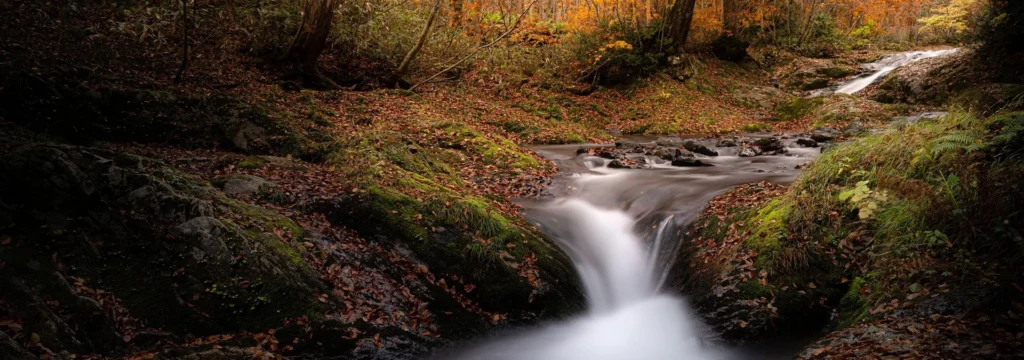
The cycle of nature is a fascinating and complex network of processes that sustains life on Earth. It is a continuous system in which various elements such as water, nutrients, carbon and other vital substances circulate between the soil, the atmosphere and living organisms. These cycles are crucial for the stability and balance of ecosystems and enable organisms to thrive. In this article we take an in-depth look at the cycle of nature and its essential components. We explain how this cycle functions and why it is indispensable for life on Earth.
What is the cycle of nature?
The cycle of nature describes the continuous movement of resources and energy through various natural processes. Within this system there are several cycles that are interlinked, in which all elements of the Earth — from the air through the water to nutrients and living organisms — are connected. The main natural cycles include the water cycle, the carbon cycle, the nitrogen cycle and the nutrient cycles. These cycles form the backbone of life and make it possible for resources to be used and reused continuously.
The water cycle
The water cycle, also known as the hydrological cycle, is an essential component of the cycle of nature. Water is one of the most important resources for life on Earth, and the water cycle ensures that water continually moves from the Earth’s surface into the atmosphere and back again. The cycle begins with the evaporation of water from oceans, rivers and lakes, where the sun converts water into vapor and injects it into the atmosphere. The water vapor rises, cools and condenses into clouds. These clouds move across the Earth until they eventually produce rain or snow, which returns to the surface as precipitation. Part of the precipitation is taken up by plants, while the remainder flows into rivers and streams and ultimately returns to the oceans, from where the cycle starts anew.
The carbon cycle
The carbon cycle is another fundamental natural cycle that is critical for climate balance and the growth of plants and animals. Carbon occurs in various forms, including as carbon dioxide in the air, as organic compounds in plants and animals, and in fossil fuels such as coal, oil and gas. Plants absorb carbon dioxide from the air through the process of photosynthesis and use it to produce sugars and other organic compounds that serve as an energy source for plant growth. Animals that consume plants or other animals also take in carbon in the form of organic molecules.
When organisms die, bacteria and fungi decompose their bodies and release carbon into the soil. This carbon can remain in the ground as humus or be released back into the atmosphere as carbon dioxide when the organic materials are broken down. Carbon is also released by the combustion of fossil fuels, which is one of the main causes of increased carbon dioxide in the atmosphere and climate change. The carbon cycle is therefore crucial for maintaining the climate and life on Earth.
The Nitrogen Cycle
Nitrogen is another essential element for life on Earth. It is a component of amino acids, proteins and nucleic acids, which are the building blocks of life. Although about 78% of the Earth’s atmosphere consists of nitrogen, most organisms cannot use that nitrogen in its gaseous form directly. The nitrogen cycle ensures that nitrogen is converted into a form usable by living organisms.
The cycle begins with the fixation of nitrogen by certain bacteria in the soil or in plant roots. These bacteria convert gaseous nitrogen into ammonia, which can be taken up by plants. Other bacteria in the soil convert ammonia into nitrate, which can also be used by plants. Animals take up nitrogen in the form of proteins when they eat plants or other animals. When organisms die or excrete waste, microorganisms decompose these organic materials and release nitrogen back into the soil, where it can be taken up by plants again. Through this cycle, nitrogen is continuously recycled in the soil, in plants and in animals, keeping it available in the environment.
The Nutrient Cycle
The nutrient cycle encompasses the circulation of essential minerals such as phosphorus, potassium and calcium through the Earth. These nutrients are essential for plant growth and the health of animals and humans. Plants absorb nutrients from the soil, while animals obtain these nutrients through their food. When animals or plants die or excrete waste, the nutrients are returned to the soil through decomposition processes. Microorganisms play an important role in breaking down organic matter and releasing nutrients that can then be taken up by new plants. In this way the nutrient cycle is repeatedly closed and the resources remain within the system.
Why is the natural cycle so important?
The cycle of nature actually ensures the continuous availability of resources and the stability of ecosystems. Without these mentioned cycles, life on Earth could not persist, because resources would be rapidly depleted and the balance of nature would be disturbed. The cycle allows nature to regenerate itself and to recycle resources within a closed system. These cycles are also of critical importance for climate change and the health of the Earth. Disruptions in any of the cycles, caused by human activities such as defoRESTation, pollution or excessive use of fossil fuels, unfortunately lead to significant environmental damage and consequently throw the entire system out of balance.
Conclusion
The cycle of nature is an indispensable element for life on Earth. It ensures that resources such as water, carbon, nitrogen and nutrients are recycled and continuously available to organisms. These cycles form the foundation for all life processes and the functioning of ecosystems. An understanding of the cycle of nature is essential to protect the environment and to secure a sustainable future. It is our responsibility to respect natural cycles and to take measures to protect them from harmful interventions.