
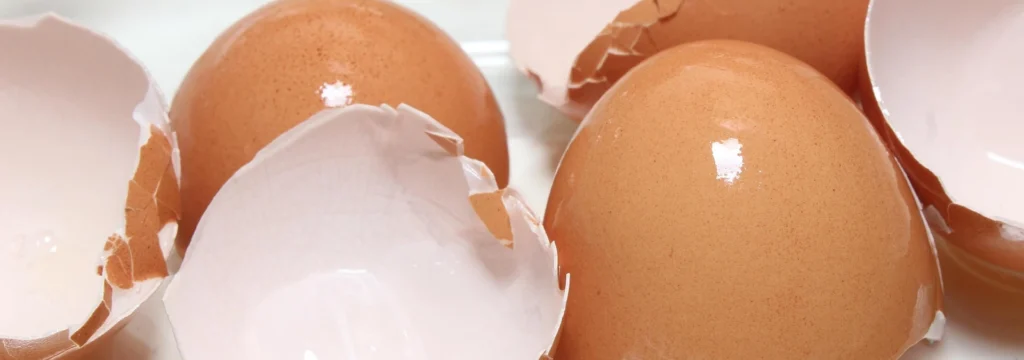
Eggshells are, for many people, mere kitchen waste — yet the unassuming shell contains a genuine wonder of nature. Whether in the garden, around the house, or for cosmetic and health purposes: eggshells can be used in a variety of ways while simultaneously making a valuable contribution to sustainability. In this article you will learn how to reuse eggshells sensibly, why they are so healthy, and which creative possibilities exist to turn an apparent waste product into real added value.
Eggshells
They consist of around 90 % calcium carbonate, an important mineral for bones, teeth and plants. In addition, they contain traces of magnesium, phosphorus, potassium and other valuable micronutrients. Their porous, stable structure makes them not only biodegradable but also extremely useful in different areas of application.
Instead of throwing them into the organic waste, it is therefore worthwhile to collect, dry and purposefully reuse them. That saves resources, protects the environment and is at the same time beneficial for health, the garden and the household.
Eggshells in the garden: natural fertilizer and snail deterrent
Eggshells are a natural and cost-effective alternative to fertilizers in the garden. They supply plants with calcium, which is particularly important for tomatoes, peppers, zucchini and many other types of vegetables. A lack of calcium can lead to the so-called blossom end rot — this appears as dark spots on fruits. If you do not have eggshells, we recommend the ARIES Tomatendünger or the ARIES Universal Gartendünger.
How to use them in the garden:
- Crush and incorporate: Coarsely crush or finely grind the dried eggshells and work them into the soil — preferably when planting.
- Enrich compost: Eggshells in the compost promote the mineral balance and improve the quality of the humus.
- Snail deterrent: Scatter coarsely crushed shells around vulnerable plants — the sharp edges act as a deterrent to snails.
Make sure to clean and dry the shells thoroughly beforehand so they do not mould. Finely ground eggshells are absorbed by the soil more quickly.
Natural lime source for the soil
Soils with a low pH benefit from the use of eggshells, because they act as a natural soil improver. Lime neutralizes acidic soils and helps make nutrients more available. Plants such as lavender, thyme or roses particularly prefer calcareous soils.
To do so, simply:
- Grind dried eggshells to a powder using a mortar and pestle or a blender.
- Distribute the powder evenly over the garden bed and work it in lightly.
This method is particularly suitable for raised beds, potted plants or herb spirals.
Eggshells in the household: Cleaning and descaling
They also offer surprising applications around the house. Their granular texture is well suited as a mild abrasive or for descaling:
- Cleaning pans and pots: Add eggshells with a little water and dish soap to the pan, shake, and burnt-on residues will loosen.
- Cleaning bottles and vases: Put small shell pieces with water and a little rice into the bottle, shake vigorously – ideal for narrow vessels.
Due to their mineral composition, eggshells can also be used as a refrigerator deodorizer – simply place a small dish with crushed shells inside.
Cosmetics with eggshells: Naturally beautiful
They are also used in natural cosmetics. The fine powder is suitable as an ingredient for scrubs or facial masks:
- Scrub: Mix eggshell powder with a little honey or yogurt, massage in gently, rinse – removes dead skin cells.
- Facial mask: Combine eggshell powder with egg white and a little lemon juice, apply, allow to dry, then remove with lukewarm water – for agreeable skin.
Creative uses for eggshells: Crafting and decorating
They are not only useful but also decorative. With a bit of imagination, they become small works of art or creative decoration ideas:
- Mini plant pots: Fill eggshell halves with soil and sow cress or sprouts – ideal for windowsills.
- Make candles: Pour wax into hollowed eggshells, insert a wick – perfect Easter or spring decoration.
- Make mosaics: Crush brightly painted eggshells and use them for creative mosaic artwork.
- Decorating Easter eggs: The classic eggshell remains a symbol of renewal and fertility at Easter – painted or decorated it makes an eye-catcher on any table.
Proper storage and preparation
To keep them hygienic and versatile, follow these tips:
- Wash: Rinse thoroughly with warm water before further processing.
- Dry: On a kitchen towel or in the oven at a low temperature (approx. 100 °C).
- Crush: In the food processor, with a mortar, or a blender depending on the intended use.
- Store: Keep in an airtight container, dry and dark — ideal for later applications.
This way you can collect eggshells that regularly accumulate and use them purposefully.
Conclusion: Eggshells — Sustainable all-rounders in everyday life
They are far too good to throw away. They offer a variety of possible uses — from natural fertilizer and DIY home remedies to a calcium source for humans and animals. Those who want to live sustainably and conserve resources will find a genuine ally in the eggshell.
Whether in the garden, the kitchen, the bathroom or for crafts: with a little creativity and knowledge, eggshells can be used effectively — in line with an ecological and conscientious lifestyle.