
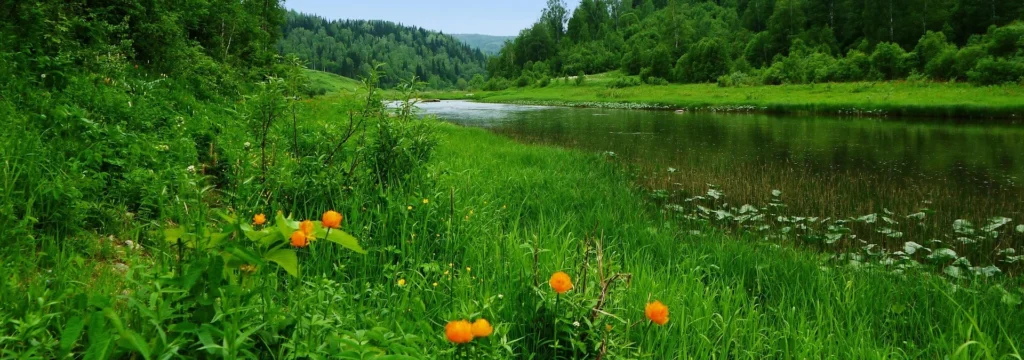
June is the first month of summer and is considered one of the most beautiful times of the year, because nature is in full bloom, the days are long and life increasingly moves outdoors. At the same time, an intensive phase of gardening begins, numerous events take place and there are warm, light-filled hours that enrich everyday life and bring joy. In this article you will learn what makes June so special: from typical natural phenomena and old farmers‘ sayings to practical gardening tips and seasonal fruit and fresh vegetables.
June in the calendar – solstice and long days
It is the sixth month of the Gregorian calendar and has 30 days. Its name probably derives from the Roman goddess Juno, who was revered as the protector of marriage and childbirth. Astronomically, June marks the beginning of summer – with the summer solstice on June 20th or 21st.
On this day the sun reaches its highest position above the horizon. That means: The longest day and the shortest night of the year. In Central Europe daylight can then last up to 17 hours. From that point the days slowly become shorter again – but summer has only just begun.
Nature – bloom, growth and biodiversity
In June nature shows itself in full splendor: meadows are in full bloom, trees carry fresh foliage, and many animals are active – whether searching for food, nesting or raising their young. In addition, insects such as bees, bumblebees and butterflies are now more frequently on the move, which is an important indicator of a region’s ecological health.
Typical nature observations in June:
- Flowering plants: roses, lavender, peonies, elder, poppies, cornflowers
- Wildlife: June beetles, butterflies, dragonflies, songbirds with young
- Birds: blackbird, tit, swallow – many species are feeding their young now
- Weather: changeable, warm to hot, occasionally thunderstorms or summer showers
The garden in June – care, harvest and preparation
It is a busy month for hobby gardeners and garden enthusiasts. The planting period for many vegetables and summer flowers is over, but care, watering and harvest are now the focus.
What to do in the garden in June
- Watering: especially on hot days regularly, early in the morning or in the evening
- Fertilizing: Provide roses, container plants, perennials and lawn with organic fertilizer (e.g., the ARIES Universal fertilizer or the ARIES flower fertilizer)
- Harvesting: First strawberries, lettuce, radishes, spinach, rhubarb, early potatoes
- Pruning tasks: Cut back spent perennials, shape hedges
- Monitor pests: Detect aphids, slugs or caterpillars early
- Sowing: Successional sowing of carrots, lettuce, bush beans or spinach possible
- Tomato care: Pinch out side shoots, tie up and fertilize regularly (e.g., with the tomato fertilizers from ARIES)
Seasonal Fruit and Vegetables
In June the main harvest of many popular fruit and vegetable varieties begins, making the diet fresher, more regional and richer in vitamins. Strawberries in particular are a culinary highlight of this month, as they are not only aromatic and versatile but also rich in important nutrients.
Typical June vegetables:
- Lettuces (e.g. head lettuce, arugula, Lollo Rosso)
- Radishes, spinach, chard
- Early potatoes, kohlrabi, sugar snap peas
- Peas, rhubarb
Seasonal fruit in June:
- Strawberries (often available already from May)
- Sweet cherries
- Currants
- Raspberries (depending on region)
- Elderflowers (for making syrup)
Holidays, festivals and customs in June
Depending on the federal state and region, June is rich in cultural events, religious holidays and seasonal customs that are firmly embedded in the annual cycle in many places. Particularly popular are the Midsummer festival and St. John’s festival, which celebrate both community and a connection to nature.
Well-known holidays and feast days:
- Pentecost (depending on the year until mid-June)
- Corpus Christi (in Catholic regions, usually in June)
- St. John’s Day (24 June) – with customs related to fire, harvest and weather
- Summer solstice (approx. June 21) – often celebrated with festivals and bonfires
Traditional farmer’s sayings for June:
- „If it doesn’t grow in June, July won’t make up for it.“
- „If it rains on Seven Sleepers‘ Day, the rain may persist for seven weeks.“
- „Ask for rain before St John’s Day; afterwards it will arrive at an inconvenient time.“
Animals in June – rearing period and insect season
Many wild animals are now in the rearing phase for their young. Anyone moving attentively through forest, field and garden can observe fledglings, fawns or young squirrels – but always at an appropriate distance.
It is also high season for insects. The June beetle, for example, typically flies from mid-month during the evening hours. Wild bees, wasps and butterflies are now active and searching for flowers.
Tip for nature enthusiasts: An insect hotel or a wildflower meadow in the garden supports pollinating insects and increases biodiversity.
Weather in June – between early summer and heat
The weather can range from mild spring temperatures to hot summer days, with average daytime temperatures in Central Europe generally between 20 and 25 °C. However, occasional heat periods with temperatures above 30 °C are possible, and these are often accompanied by an increased likelihood of thunderstorms. Especially after hot days, short but intense showers or storms occur more frequently, which can provide welcome cooling.
Weather phenomena in June:
- Convective thunderstorms
- Heat periods with muggy conditions
- Initial dry spells (esp. in southern Germany)
- Regional severe weather due to strong convection
Sustainability in June – enjoy consciously
June offers numerous opportunities to live consciously and sustainably: buy regionally, harvest from your own garden, use a bicycle instead of a car, or forgo travel and rediscover your local area. The long days invite spending time outdoors – whether in the park, the garden or on the balcony.
Conclusion
June is a month full of life, light and movement. Nature unfolds in full abundance; there is much to do in the garden, and the culinary season becomes colorful as well. Whether hiking, grilling, gardening, or relaxing outdoors – June is ideal for spending time in nature. Anyone who experiences this month consciously senses the power and beauty of the early summer in all its facets.