
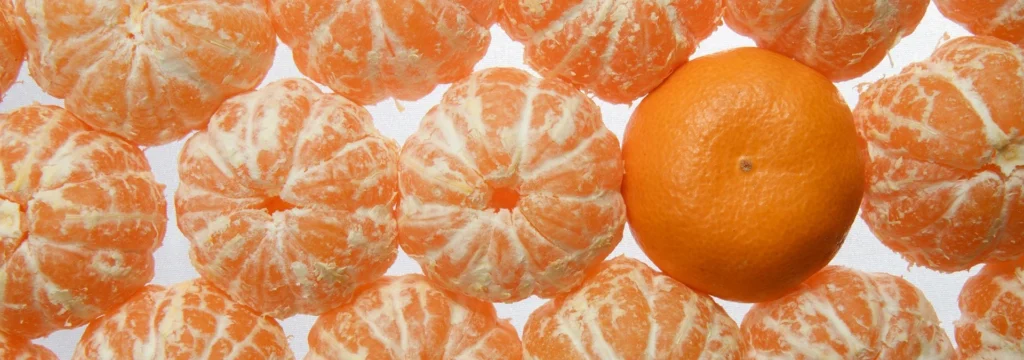
Mandarins are one of the most popular citrus fruits worldwide. Their sweet-fresh flavor and easy-to-peel skin make them a perfect snack, especially in winter. But the mandarin offers much more than just enjoyment. It is rich in vitamins, versatile in use, and has a fascinating history. In this article you will learn everything about the mandarin – from its origin and its health benefits to tips and recipe ideas for creative use in the kitchen.
What is a mandarin?
The mandarin belongs to the citrus family and is closely related to oranges, lemons and grapefruits. It is characterized by its bright orange color, the thin, easily removable skin and its sweet, aromatic flesh. Mandarins are divided into segments that are juicy and low in seeds – ideal for direct consumption or processing.
Mandarins are available in various varieties, including clementines, satsumas and tangerines. Each variety has its own characteristics, ranging from particularly sweet to slightly tart.
Origin
The mandarin originally comes from Southeast Asia, particularly China and India, where it has been cultivated for thousands of years. The name „mandarin“ is derived from the mandarin officials in ancient China, whose robes had a color similar to the fruit. Via trade routes the mandarin reached Europe and later the USA, where it became one of the most commonly consumed fruits.
Today mandarins are cultivated worldwide, with the main growing regions in China, Spain, Italy and North Africa. The fruit is particularly in demand during the cold season, as it is considered a typical winter snack.
Nutrients and health benefits of the mandarin
They are not only tasty but also highly healthy. They contain a variety of nutrients that strengthen the body and support the immune system.
1. Vitamin C
They are rich in vitamin C, which strengthens the body’s defenses. A single mandarin supplies about one third of the daily vitamin C requirement.
2. Dietary fiber
The high fiber content of the mandarin supports digestion and provides a lasting feeling of satiety. The white pith between the segments is particularly rich in fiber.
3. Potassium
They are a good source of potassium.
4. Low in calories
With about 40 calories per 100 grams, they are a light and healthy snack option, ideal for anyone mindful of their diet.
Mandarins in the kitchen
They are incredibly versatile and can be used in both sweet and savory dishes. Here are some ideas for how to use the fruit creatively:
1. Eat fresh
They are perfect as a snack between meals. They are easy to peel and ideal for on the go or for the lunchbox.
2. Salads
They give salads a sweet-tart note. Combine them with arugula, walnuts, and a honey-mustard dressing for a fresh winter salad.
3. Desserts
They are excellent for desserts such as fruit salads, yogurt, or panna cotta. They can also be used for cakes, muffins, or tart toppings.
4. Beverages
Mandarin juice is a refreshing ingredient for smoothies, cocktails, or lemonades. You can also freeze the juice to use later as ice cubes.
5. Savory dishes
Mandarins pair surprisingly well with savory dishes. Use them as an ingredient in Asian wok dishes or marinate meats such as chicken with mandarin juice.
6. Chutneys and jams
Delicious jams or chutneys can be made from mandarins, serving as a spread for bread or as an accompaniment to cheese and meat.
Recipe idea: Mandarin tart
Ingredients:
- 1 package of puff pastry
- 4 mandarins
- 200 g sour cream (Schmand)
- 2 tbsp honey
- 1 egg
Preparation:
- Roll out the puff pastry on a baking sheet.
- Peel the mandarins and separate into segments.
- Whisk the sour cream (Schmand), honey, and egg into a smooth mixture and spread over the pastry.
- Distribute the mandarin segments over it and bake the tart at 180 degrees Celsius for about 20 minutes.
Fresh Mandarin Salad with Honey Dressing
This recipe for a mandarin salad with honey dressing is easy to prepare, healthy and ideal as a starter or a light meal.
Ingredients (for 2 people)
- 4 mandarins
- 100 g arugula or lamb’s lettuce
- 50 g walnuts
- 50 g feta (optional)
- 2 tbsp honey
- 2 tbsp olive oil
- 1 tbsp lemon juice
- Salt and pepper to taste
Preparation
- Prepare the mandarins: Peel the mandarins, separate them into segments and remove any seeds. Cut larger segments into smaller pieces if desired.
- Salad base: Wash the arugula or lamb’s lettuce thoroughly and let it drain. Place it as a base on two plates.
- Nuts and feta: Toast the walnuts in a pan without oil for 2–3 minutes, until fragrant. Crumble the feta if you choose to use it.
- Honey dressing: Combine the honey, olive oil, lemon juice, salt and pepper in a small bowl. Stir well until the ingredients are combined.
- Assembly: Arrange the mandarin pieces, toasted walnuts and feta evenly over the salad. Drizzle the dressing over and serve the salad immediately.
Mandarins and Sustainability
When purchasing mandarins you can also pay attention to sustainability. Choose organic mandarins to avoid the use of pesticides and to protect the environment. In addition, the peels of organic mandarins can be used, for example to make candied peels or as a natural fragrance.
Tips for Storing Mandarins
- Keep cool: Mandarins stay fresher longer when stored in a cool place, for example in the refrigerator.
- Avoid light: Store the fruit in a dark place to extend their shelf life.
- Do not stack: To avoid pressure marks, mandarins should be stored side by side and not on top of each other.
Conclusion
The mandarin is not only a healthy and versatile snack, but also an asset to any kitchen. Whether eaten fresh, in desserts or in savory dishes, the fruit stands out for its sweet flavor and its health-promoting properties. With its rich history and its popularity during the winter, the mandarin is an indispensable companion in the cold season. Try the ideas presented and enjoy the variety of this wonderful citrus fruit.