
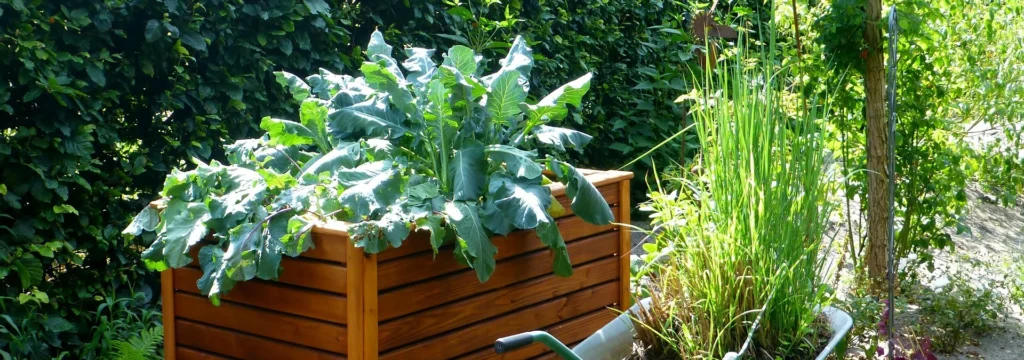
A raised bed is more than just a trend in modern gardening. It offers numerous advantages for hobby gardeners and professionals alike. Whether for the cultivation of vegetables, herbs or ornamental plants – the raised bed is a practical, back-friendly and highly effective method to design your garden. In this article you will learn everything about construction, proper planting, maintenance and the benefits of a raised bed.
What is a raised bed?
A raised bed is a planting bed constructed above ground level, typically with a height between 70 and 100 cm. It consists of a sturdy frame made of wood, metal, stone or plastic and is filled with different layers such as branches, compost and soil. The layered composition generates natural heat that promotes plant growth.
Advantages
A raised bed offers numerous advantages compared to a conventional garden bed:
- Ergonomic gardening: The elevated position eliminates the need for constant bending.
- Earlier season start: The warmth inside the bed allows for earlier sowing.
- Improved pest defense: Slugs and voles find it harder to reach the plants.
- Higher yield: Controlled filling provides optimal nutrient supply.
- Design flexibility: Raised beds are also a visual highlight in the garden or on the balcony.
Creating a raised bed – step-by-step guide
Creating a raised bed is easier than many think. Proceed as follows:
1. Site selection
The ideal location for a raised bed is sunny to partially shaded. Ensure sufficient light, especially for vegetables like tomatoes or peppers.
2. Material selection
Common materials for the frame include:
- Wood (e.g. larch or Douglas fir – durable and natural)
- Metal (modern and durable)
- Plastic (low-maintenance, but less sustainable)
- Stone or gabions (robust and decorative)
3. Construction and Lining
Build the frame solidly and, ideally, line it with a dimpled membrane or pond liner to protect the material from moisture. Important: To ensure adequate drainage, you can, for example, lay a layer of gravel or use coarse branches.
4. Filling in Layers
The optimal layering of a raised bed is as follows (from bottom to top):
- Coarse branches and twigs (drainage)
- Garden waste and grass clippings
- Compost (rich in nutrients)
- Garden soil or raised-bed soil (final planting layer)
Planting a Raised Bed – What Fits Where?
An important aspect is the correct planting of the raised bed. Pay attention to the plants’ needs and plan your crop rotation sensibly.
Popular Plants for the Raised Bed:
- Spring: Radishes, spinach, leaf lettuce, spring onions
- Summer: Tomatoes, peppers, cucumbers, zucchini, beans
- Autumn: Lamb’s lettuce, kale, beetroot, endive
- Year-round: Herbs such as basil, parsley, chives, thyme
Consider Companion Planting
Many plants complement each other well—for example, carrots grow well next to onions because they help keep pests away. Learn which plants are compatible and which interfere with each other so you can plan your bed effectively and support both growth and harvest.
Maintaining the Raised Bed – Tips for Long-Term Enjoyment
- Water regularly: Especially important in hot months—best in the morning or evening.
- Fertilize: Nutrient levels decline over the years; organic fertilizers such as compost help. We recommend the ARIES Universal garden fertilizer or the ARIES Vegan fertilizer.
- Refill the soil: The raised bed can sink as lower layers decompose.
- Weather protection: Cover or let rest in winter – optionally plant winter vegetables.
Build it yourself – DIY guide
For anyone who likes to work with their hands and enjoys tinkering, here is a short and simple DIY guide so you can build a wooden raised bed step by step without needing much experience or expensive tools (120 x 80 x 80 cm):
Materials list:
- 4 corner posts (e.g., squared timber)
- 8 boards (e.g., larch, 120 cm and 80 cm long)
- Screws, cordless drill
- Pond liner or dimple membrane for lining
Construction instructions:
- Screw the boards to the corner posts (two stacked per side).
- Place the raised bed on a level surface.
- Line the interior with the membrane.
- Fill layers (see above).
- Plant – done!
Building a raised bed yourself is not only cost-effective, but also enjoyable and offers design flexibility.
Raised bed on the balcony or the terrace
Even for city dwellers it is a great solution. In compact forms there are mini raised beds for balconies or terraces. Pay particular attention to:
- Water drainage: Avoid waterlogging!
- Weight: Consider the load-bearing capacity of the substrate.
- Space-saving planting: Herbs and small vegetable varieties are ideal.
Conclusion
A raised bed is a smart investment for anyone who enjoys gardening—whether in a large garden or in a small space. It combines practical benefits such as back-friendly working and a productive harvest with design freedom and ecological awareness. Whether purchased or self-built— with the right knowledge it is a genuine asset for every gardening enthusiast.