
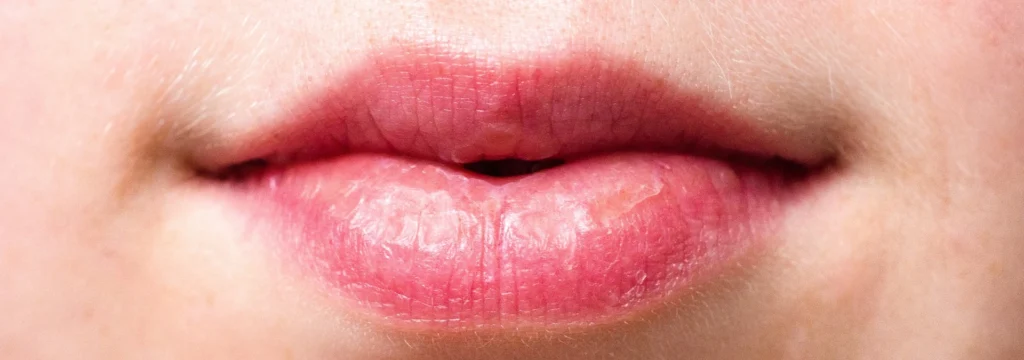
Aphthae are painful, small ulcers that can form on the oral mucosa. Here you will learn which symptoms they cause and how they can be treated.
What are aphthae?
Aphthae are painful, white or yellowish ulcers that can form on the oral mucosa. They can occur singly or in groups and typically have a diameter of about 2 to 3 millimetres.
Types of aphthae
Aphthae are painful, small ulcers in the mouth that can appear in different forms. Here are the three main types:
Minor aphthae
Minor aphthae are the most common form. They are usually small and shallow and have a diameter of less than 1 cm. They typically appear on the inside of the lips or cheeks, at the base of the gums, or on the tongue.
Major aphthae
Major aphthae are less common than minor aphthae and can grow up to 3 cm. They are deeper and can last weeks or months. They typically occur at the back of the mouth, such as on the soft palate or the pharyngeal wall.
Herpetiform aphthae
Herpetiform aphthae are a rare type that usually occur in groups of 10 to 100. They are small and shallow like minor aphthae, but they can be very painful and reach up to 1 cm in size. They can appear anywhere in the mouth.
There are also other forms of aphthae, including those caused by mechanical injury to the mouth or arising as a reaction to an infection or an allergic reaction. Treatment depends on the type and severity of the aphthae. In severe cases, medical treatment may be necessary.
How do aphthae develop?
The exact causes are not yet fully understood. However, various factors are thought to play a role, such as mucosal injuries, hormonal changes, stress, or inadequate oral hygiene.
Injuries to the oral mucosa
Injuries to the oral mucosa can be a cause of aphthae. These include, for example, damage from improper tooth care, from sharp-edged teeth or braces, as well as injuries caused by eating food that is too hot or too spicy.
Hormonal changes
In some people, hormonal changes, such as those that can occur during pregnancy or menstruation, can lead to an increased risk of aphthae.
Stress
Stress can also be a trigger. A high psychological burden can weaken the immune system and increase the risk of aphthae.
Diet
Certain foods can increase the risk. These include, for example, spicy foods, citrus fruits, or nuts.
Conditions
In rare cases, certain conditions, such as celiac disease or Crohn’s disease, can also lead to aphthae.
What symptoms do aphthae cause?
Aphthae can be painful and can impair speaking, chewing, and swallowing. They can also cause a burning or tingling sensation. As a rule, they heal on their own within a few days to two weeks; however, in some cases they may recur.
How can aphthae be treated?
There are various options for treating aphthae. For example, analgesic gels or mouth rinses can be used to relieve symptoms. In frequent or severe cases, prescription medications may also be used.
Medications
There are various medications that can be used in treatment. These include, for example, analgesics, anti-inflammatory medications, or local anesthetics. Specialized gels or ointments can also help relieve pain and promote healing.
Dietary changes
A balanced diet can help reduce the risk. Even during an active aphthous phase, certain foods should be avoided, such as spicy foods, citrus fruits, or nuts.
Prevention
Good oral hygiene can help reduce the risk. This includes regular dental care and avoiding injuries to the oral mucosa. A balanced diet and low stress levels can also help reduce the risk.
Home remedies
Some home remedies can help with treatment. These include, for example, chamomile tea or chamomile rinses, honey, or a paste made from baking soda and water. Applying ice cubes or chewing ice can also relieve the pain.
1. Chamomile tea
Chamomile has anti-inflammatory properties and can relieve pain. Simply prepare a chamomile tea and rinse the mouth with it several times a day.
2. Baking soda
Baking soda is a natural antiseptic and can help disinfect canker sores and accelerate their healing. Simply dissolve some baking soda in warm water and use it to rinse the mouth.
3. Honey
Honey has antibacterial and anti-inflammatory properties and can help alleviate canker sores. Simply apply some honey to the affected area.
4. Salt water
Salt water also has disinfecting properties and can help relieve pain. Simply dissolve some salt in warm water and use it to rinse the mouth.
5. Propolis
Propolis is a resinous substance produced by bees and has antibacterial properties. It can help disinfect canker sores and promote their healing. Simply apply some propolis tincture to the affected area.
It is important to note that canker sores usually heal on their own within one to two weeks. However, if they are very painful or persist for longer than two weeks, it is advisable to consult a doctor.
Herbal tinctures for canker sores
There are various herbal tinctures that can help relieve pain and promote healing.
Chamomile tincture
Chamomile is known for its anti-inflammatory and soothing properties. A chamomile tincture can help reduce pain and inflammation. Simply place a few drops of the tincture on a cotton pad and carefully apply it to the affected area.
Sage tea tincture
Sage also has anti-inflammatory properties and can help reduce pain and inflammation. To make a sage tea tincture, steep a handful of sage leaves in hot water and let it cool. Then strain the liquid and mix it with some alcohol (e.g., vodka). Store the mixture in a sealable bottle and, when needed, place a few drops on a cotton pad and apply it to the canker sore.
Peppermint tincture
Peppermint has a cooling and soothing effect on the skin and can help relieve pain. A peppermint tincture can be made simply by placing peppermint leaves in alcohol (e.g. vodka) and letting them steep for several days. Apply the tincture to a cotton pad and gently apply to the affected area. It is important to note that herbal tinctures cannot guarantee a complete cure for aphthae. However, if the pain and inflammation are severe or the aphtha worsens, it is advisable to consult a physician.
Summary
Aphthae are painful, small ulcers that can form on the mucous membrane in the oral cavity. The exact causes are not yet fully understood; however, various factors can play a role. They can be treated with pain-relieving gels or mouth rinses. Good oral hygiene and a balanced diet can also help reduce the risk.